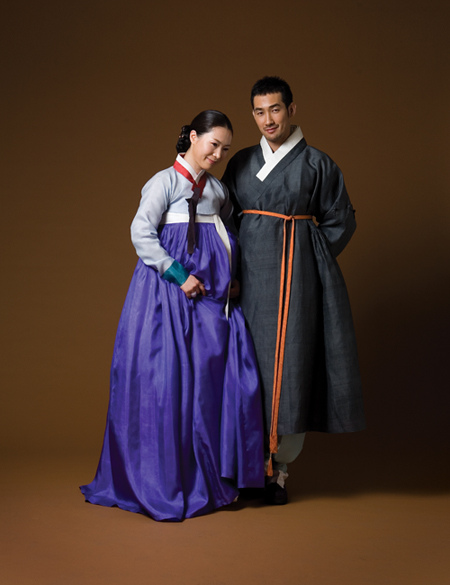
i second griatch's swedish contributions, but i have more to offer too. here's the costumes worn in the area where i grew up:
orsa costumethe whole thing is called an orsadräkt (orsa costume, this is the female variety), but all the parts have their own names.
the apron: magd
the skirt: swart-tjossl
the bodice: böd
the decorative "bib": ässklä
the blouse: ivördel
usually there are ribbons with tassels worn as a sort of belt, they are called "tuppbånd" or just "tuppur".
i also have loads of words for indopak clothing.
for example, an ordinary combination of long blouse and wide, slightly puffy pants is called a shalwar kameez. the blouse is a kameez, the bottoms are called shalwar.

if you instead where these long, fitted pants you have a chudidar kameez or a chudidar suit. the pants of this style are called chudidar.

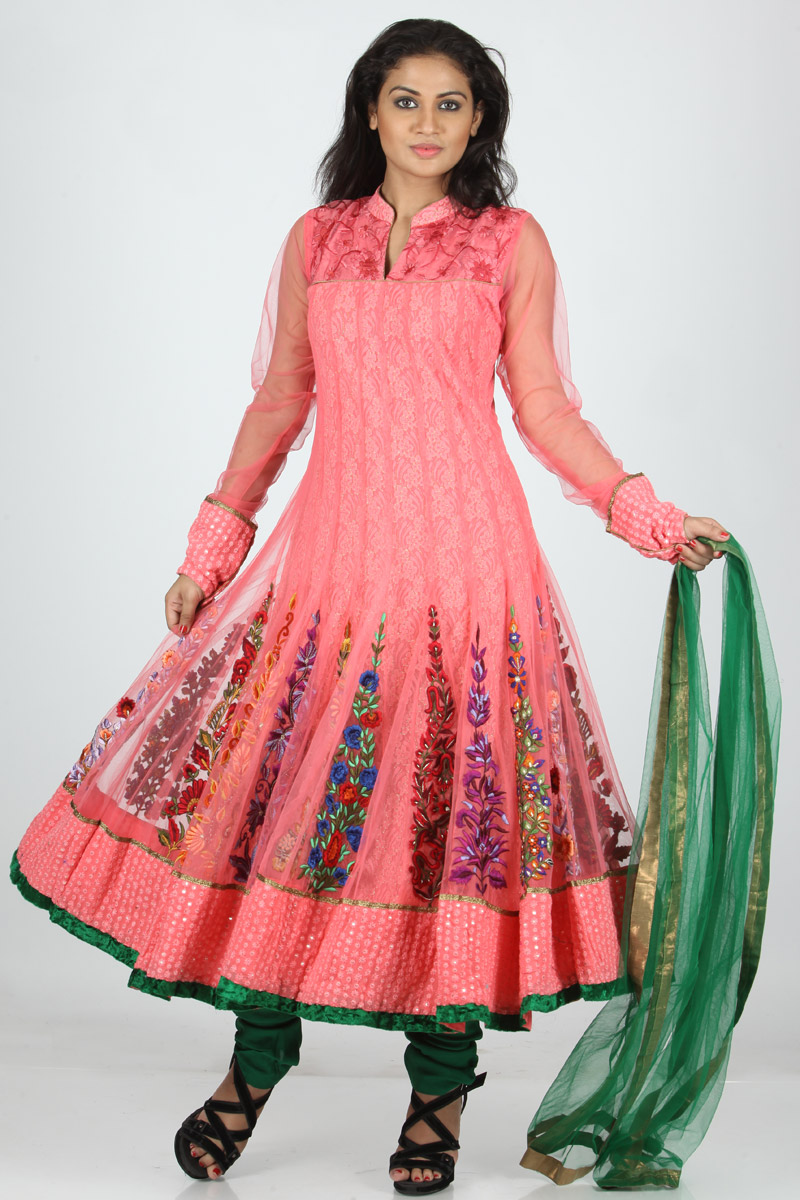
very often, though, you wear a wide-skirted kameez with the chudidar. that type of kameez can be long and look just like a dress, or shorter, a sort of dress-like tunic, and then you're wearing an anarkali suit. i love this type of dress best, they are amazing!
if you're getting married or going to a fancy party, you might want to wear a special skirt and top combination known as a lehnga choli. the skirt is a lehnga and it's usually wide or mermaid style, but there are many varieties. the top is fitted and often very short, but occasionally as long as to the hips and this type of top is a choli. cholis are also worn under a sari.
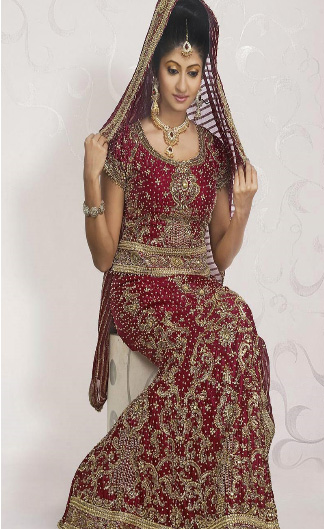
some of us are not the skirt type (i'm not, for example), so instead of a lehnga choli we might wear a sharara choli. the sharara are long, wide pants. they are sometimes tight fitting to the knee and then there is a sort of "skirt" to each trouser leg, sometimes they get more gradually wider.

to all of these clothes you would wear a type of matching shawl or scarf known as a dupatta.
 Login
 Register
 Tweets
 FAQ
 Advanced Search